
Beyond HEPA: Why Filterless Air Purifiers Are Gaining Popularity in Modern Homes
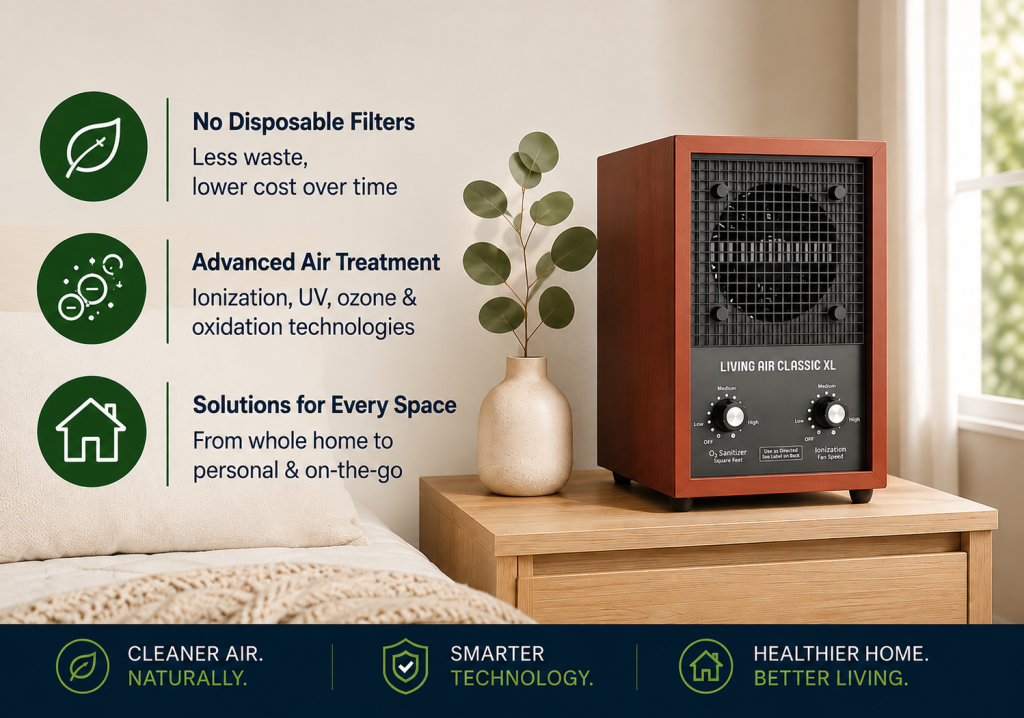
An air purifier used to be a fairly simple appliance.
You bought a machine, installed a filter, turned it on, and eventually replaced the filter when it became dirty.
That model still works well for many households. But indoor air quality is about more than airborne dust.
Smoke, cooking odors, pet smells, chemical fumes, stale air, and other unwanted pollutants can all affect how comfortable a home feels. At the same time, many homeowners are becoming less interested in appliances that require them to continuously purchase and replace consumable filters.
That has created more interest in a different category of air-treatment systems: filterless air purifiers and alternative air purification technologies.
Instead of relying primarily on disposable filter media, these systems may use ionization, activated oxygen, UV light, ozone, or combinations of several technologies.
The result is a fundamentally different approach to treating indoor air.
And for some homes, that approach can make a lot of sense.
The Problem With Thinking About Air Purification as "Just Filtration"
When people hear the words "air purifier," they often immediately think about dust and particles.
That makes sense. Dust is easy to understand, and mechanical filtration is one of the most familiar ways of dealing with airborne particles.
But indoor air is more complicated than a cloud of dust.
Consider a typical home.
You might have:
- Cooking odors coming from the kitchen
- Pet odors and dander
- Tobacco smoke or smoke residue
- Cleaning-product fumes
- Paint or solvent odors
- Musty smells in a basement
- Stale air in rooms with limited ventilation
- Particles brought indoors from outside
A purifier designed primarily to capture particles isn't necessarily designed to address every one of these concerns in the same way.
This is where alternative air-treatment technologies become interesting.
Instead of asking only: "How good is the filter?"
homeowners can also ask: "What is this system actually doing to the air?"
That is a much broader way to think about indoor air quality.
A Different Approach: Treating Air Instead of Simply Trapping It
Traditional mechanical filtration is based on a straightforward principle.
Air passes through a filter, and particles are captured in the filter material.
Filterless technologies take a different route.
Depending on the system, the air can be exposed to electrical fields, ions, ultraviolet light, activated oxygen, ozone, or other treatment technologies.
These approaches don't all work in the same way.
For example, ionization can electrically affect airborne particles, while UV technology uses ultraviolet energy. Oxidation-based technologies take a chemical approach to certain compounds and odors.
Some air purifiers combine several of these technologies in one appliance.
This is one of the reasons the term "filterless air purifier" should not be treated as a single technology.
It describes an approach to air treatment, not one specific mechanism.
Why the Absence of a Disposable Filter Can Matter
There is a practical side to filterless air purification that has nothing to do with technology.
It's maintenance.
A conventional air purifier may require you to remember:
- When the filter was installed
- When it needs to be replaced
- Which replacement filter to buy
- Where to buy it
- How much it costs
If you operate the purifier continuously, this becomes part of the normal cost of owning the appliance.
And there is another issue.
Filters don't last forever.
Once they become saturated or heavily loaded with particles, they have to be replaced. The old filter becomes waste, while the new one becomes another recurring purchase.
A filterless system changes that ownership model.
Instead of repeatedly replacing a large disposable filter, you may be cleaning or servicing reusable components.
That doesn't mean zero maintenance. It simply means less dependence on disposable filter media.
What Does "Filterless" Actually Mean?
This is where consumers need to be careful.
A product described as filterless may still contain screens, plates, cells, or other components that need cleaning.
"Filterless" does not mean:
- No maintenance
- No internal components
- No replacement parts
- No cleaning
- No operating costs
What it generally means is that the appliance does not depend on a conventional disposable filter as its primary air-treatment mechanism.
That's an important difference.
When comparing products, don't stop at the phrase "filterless."
Look at the actual technology inside the unit.
Four Different Ways Filterless Air Treatment Can Fit Into Your Life
One of the most interesting things about alternative air-treatment technology is that the same basic idea can be applied to completely different situations.
You may need to treat an entire home.
Or perhaps you have one room with a persistent odor.
Maybe you want something for your car.
Or perhaps you want a compact personal device you can take with you.
Here are four examples that illustrate those different applications.
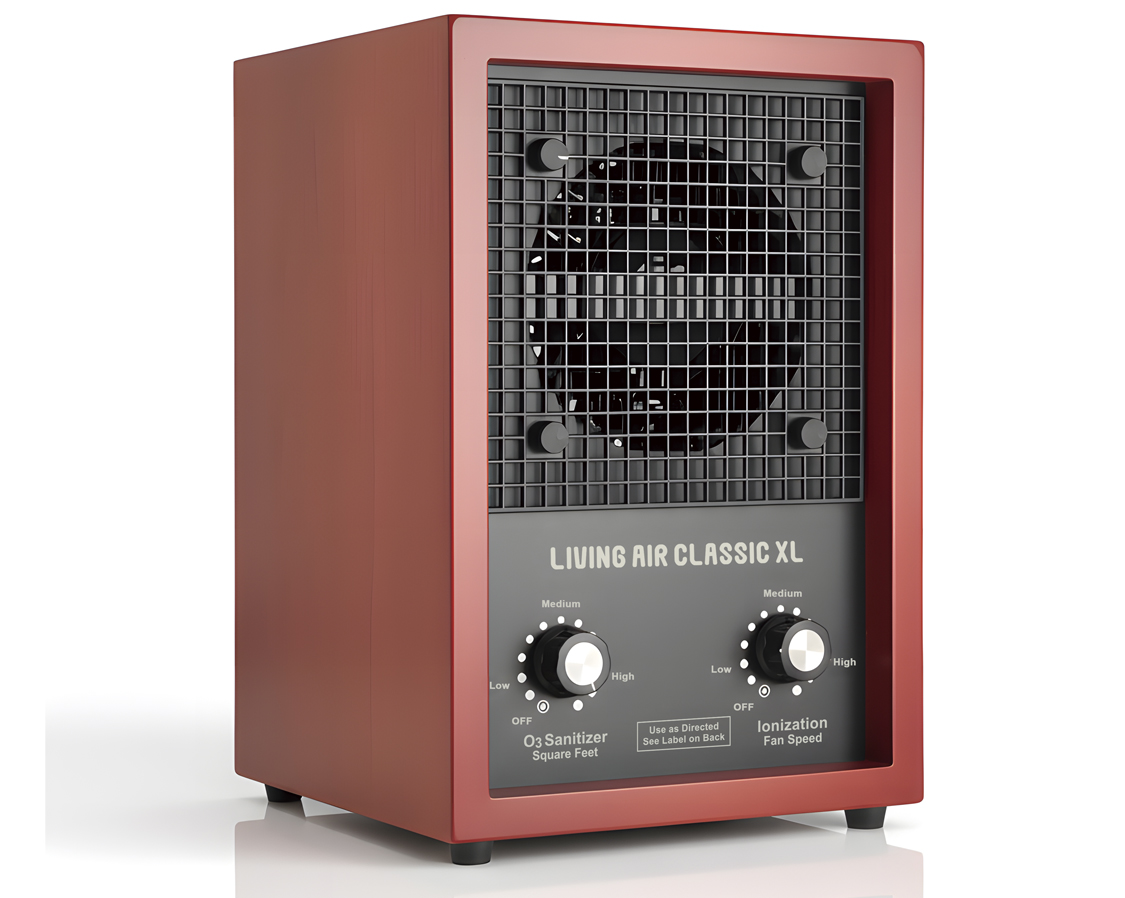
Living Air Classic XL-15 Air Purifier: Large-Area Air Treatment
For homeowners looking for a solution for a larger living space, the Living Air Classic XL-15 is designed around a filterless approach using ionization and activated oxygen technology.
The unit is intended for large areas and is listed for coverage of up to approximately 3,500 square feet.
That makes it a very different proposition from a small tabletop purifier designed for one bedroom.
The Classic XL-15 can be considered for larger living areas where homeowners are concerned about odors, smoke, pet odors, dust, and overall indoor-air freshness.
Its filterless design also means that users are not relying on regularly replaced disposable filters as the primary air-treatment method.
Best suited for: large homes, open living areas, basements, offices, smoke and persistent household odors.
Learn More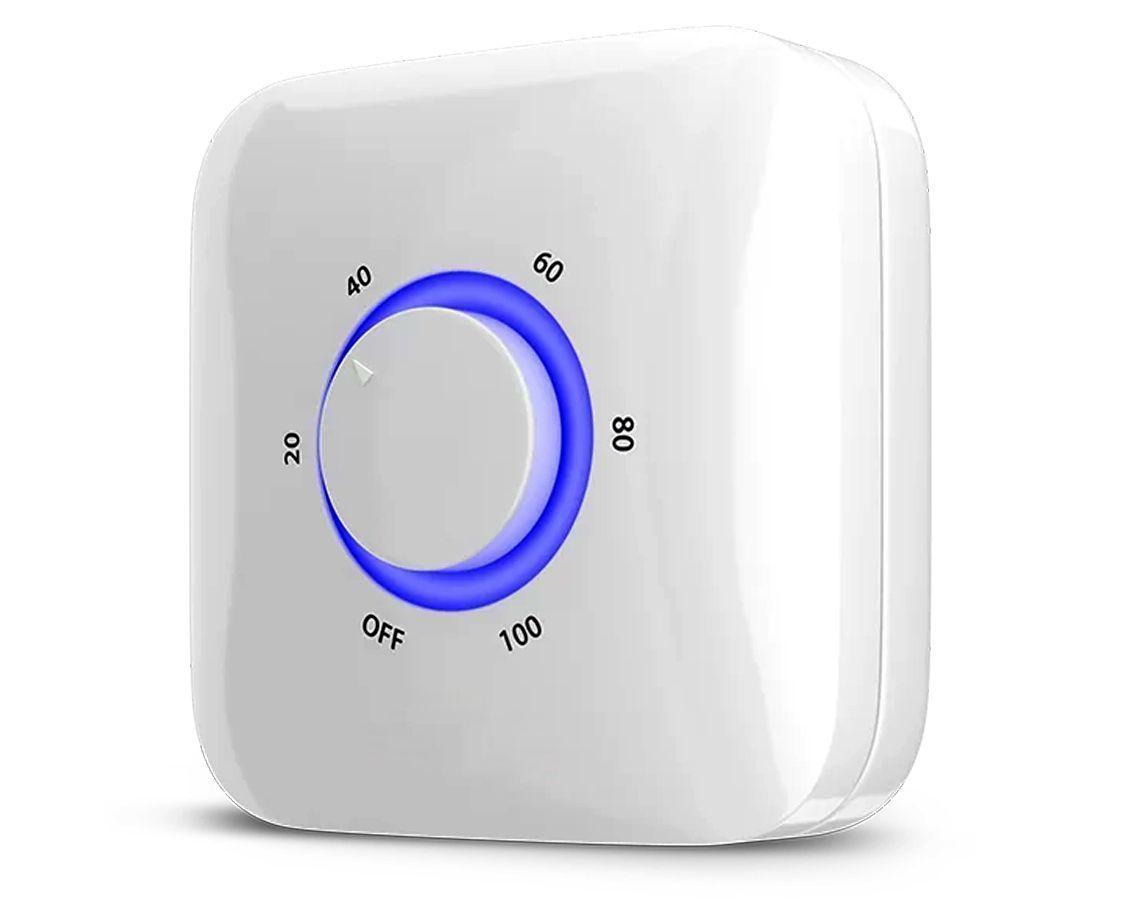
EcoZone: A Compact Solution for Odor-Prone Areas
Not every air-quality problem requires a large whole-home appliance.
Sometimes the problem is much more specific.
Maybe the kitchen repeatedly develops strong cooking odors. Maybe a bathroom needs additional odor control. Perhaps there is a basement, closet, pantry, or laundry area where unwanted smells tend to accumulate.
The EcoZone is designed for exactly this type of application.
This compact filterless air-treatment device uses ionization and adjustable ozone output and is intended for smaller enclosed spaces.
Its size makes it easier to use as a targeted solution rather than running a large purifier throughout the entire house.
Best suited for: kitchens, bathrooms, closets, pantries, basements, laundry rooms, garages, and other smaller spaces where odors are a concern.
Learn More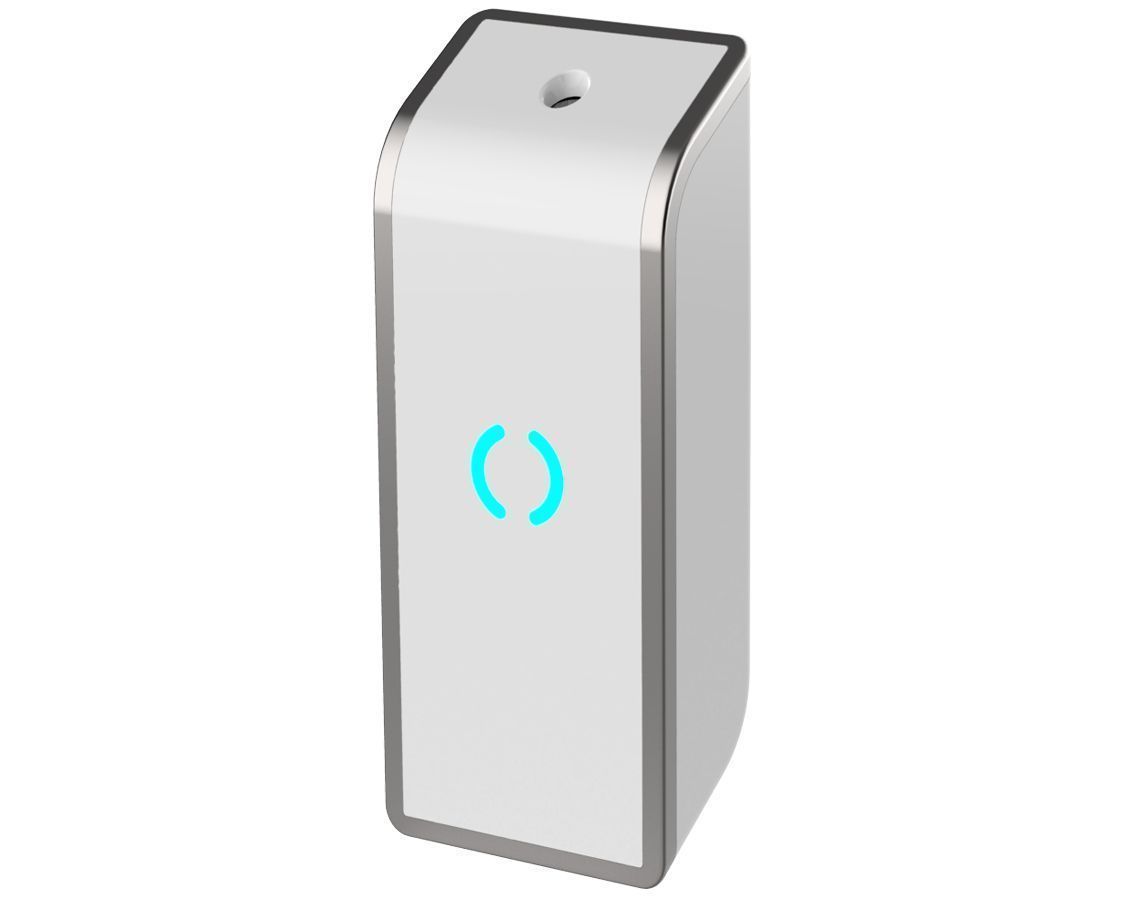
EcoShield by LT&B: Personal Air Treatment
Then there is an entirely different concept.
What if you don't need to treat an entire room?
What if you want an air-treatment device that goes wherever you go?
The EcoShield by LT&B is a wearable air purifier designed around personal use.
It uses ionization and TriOxygen technology and can be worn around the neck or attached to clothing.
That makes it fundamentally different from a conventional room purifier.
Instead of trying to process the air throughout a large room, EcoShield is designed for the personal space around the user.
It can be useful in situations where carrying a full-size purifier isn't practical, such as commuting, working in an office, traveling, or spending time in public indoor environments.
Best suited for: personal use, commuting, travel, offices, public spaces, and situations where portability matters.
Learn More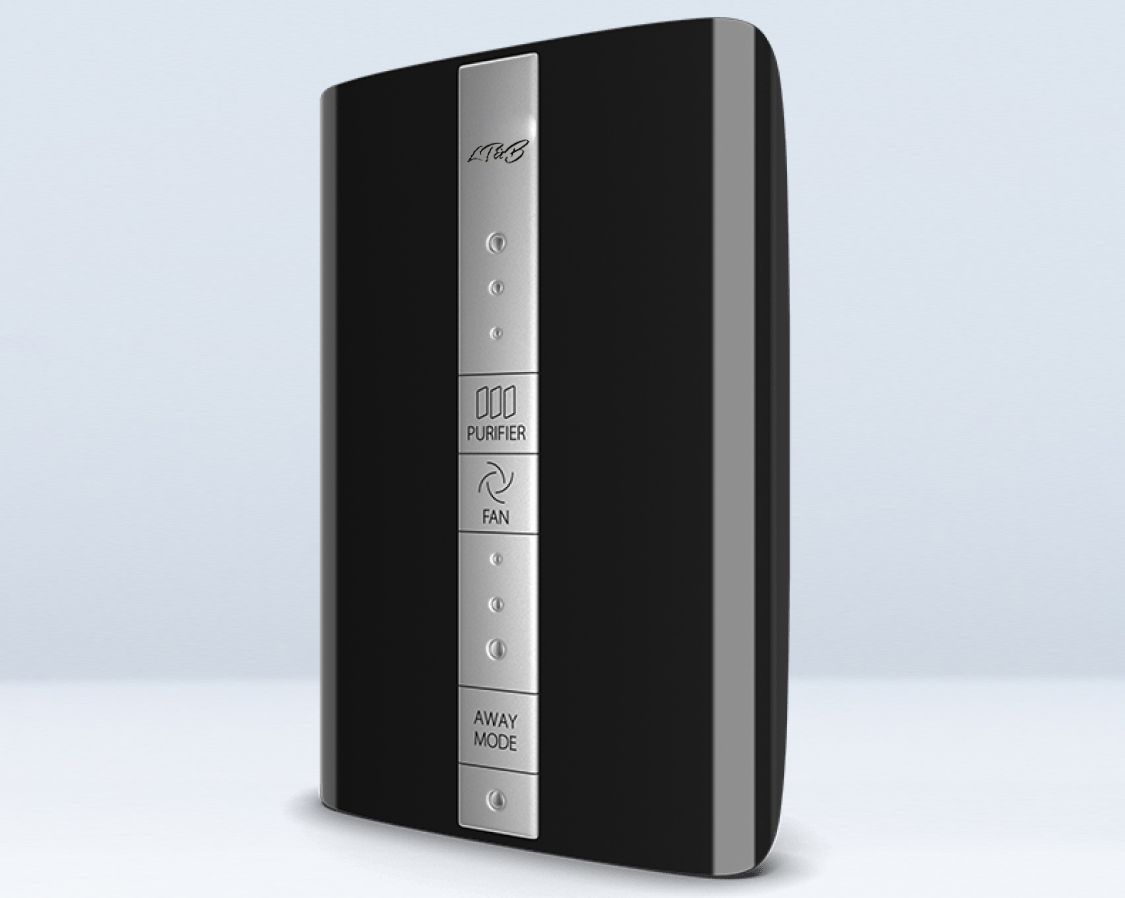
Voyager: Air Treatment for Your Vehicle
Cars are another environment where conventional home air purifiers aren't particularly convenient.
You spend time inside a relatively small enclosed space, and the interior can develop its own combination of dust, odors, smoke residue, and other unwanted smells.
The Voyager was designed specifically with this kind of environment in mind.
It is a compact portable air purifier that combines Active-Ox, bipolar ionization, UV, and ozone technology.
The small form factor makes it practical for vehicles and other enclosed spaces.
For someone who spends hours behind the wheel every week, having a dedicated air-treatment device for the vehicle can make more sense than moving a home purifier back and forth.
Best suited for: cars, trucks, commuting, road trips, travel, offices, and other small enclosed environments.
Learn MoreOne Technology, Different Applications
Looking at these four products together illustrates an important point.
There isn't one universal air purifier that is ideal for every situation.
A large home has different requirements from a bathroom.
A car has different requirements from a living room.
And personal air treatment is a completely different application from whole-room purification.
| Need | Example solution |
|---|---|
| Large living space | Living Air Classic XL-15 Air Purifier |
| Small room or localized odor | EcoZone |
| Personal use | EcoShield by LT&B |
| Vehicle and travel | Voyager |
This is why choosing an air purifier based only on its technology can be misleading.
The application matters just as much as the technology.
What About HEPA Purifiers?
None of this means that HEPA filtration has become obsolete.
Far from it.
HEPA systems remain a popular choice for homeowners who primarily want mechanical filtration of airborne particles.
The important point is that HEPA and filterless systems approach the problem differently.
A HEPA purifier is designed around physical particle capture.
A filterless or multi-technology purifier may use ionization, oxidation, UV, or other methods.
So the better comparison isn't: "Which one is better?"
It's:"Which approach matches what I want to accomplish?"
If your main priority is mechanical particle filtration, HEPA may be the more obvious choice.
If you're more interested in odor treatment, alternative technologies, reduced dependence on disposable filters, or combining several air-treatment methods, a filterless system may be worth considering.
The Hidden Cost of Owning a Filter-Based Purifier
The purchase price of an appliance is easy to see.
The recurring costs are easier to overlook.
Suppose a purifier costs $300 but requires $100 worth of replacement filters every year.
After five years, you've spent: $300 + $500 = $800
And that's before considering electricity.
Another purifier might cost more initially but require fewer recurring consumables.
That doesn't automatically make it cheaper.
You still need to consider energy consumption, maintenance, replacement components, and the expected lifespan of the appliance.
But it demonstrates why comparing air purifiers based only on their sticker price isn't enough.
Look at the total ownership cost.
That's especially important if you plan to run the purifier every day.
What Happens to the Used Filters?
There is also a less obvious consequence of traditional filtration.
Eventually, the filter becomes waste.
If a household replaces several filters every year, that creates a continuing stream of discarded filter material.
Filterless technology can reduce this particular type of recurring waste because it does not depend on replacing a large disposable filter at regular intervals.
Of course, a filterless appliance still has an environmental footprint.
It requires materials, manufacturing, electricity, transportation, packaging, and eventually service or replacement parts.
So it would be misleading to call filterless purification "zero waste."
The more accurate statement is: It can reduce dependence on one specific type of recurring disposable component.
Odors Are Often the Real Reason People Buy an Air Purifier
Ask someone why they want an air purifier and you may hear "dust."
But ask what they actually want to get rid of, and the answer is often something else.
It's the smell from last night's cooking.
It's the pet odor.
It's cigarette smoke.
It's a musty basement.
It's the smell of cleaning products.
It's a room that simply doesn't feel fresh.
Odor is difficult because it isn't always associated with visible particles.
That's why technologies designed around oxidation and other air-treatment processes can be attractive to homeowners who are primarily concerned about unwanted smells.
However, there is an important rule:
Treat the source whenever possible.
If smoke is continuously being produced indoors, removing the smoke source is more effective than relying entirely on an air purifier.
If moisture is causing a musty smell, fixing the moisture problem is more important than masking the odor.
An air purifier should be part of the solution, not an excuse to ignore the source.
Pet Owners Have More Than One Air-Quality Problem
Pets can affect indoor air in several different ways.
There may be:
- Dander
- Fur
- Dust
- Outdoor particles brought indoors
- Bedding odors
- Furniture odors
A purifier can be part of a pet-friendly indoor-air strategy, but it shouldn't replace basic cleaning.
Regular vacuuming, washing pet bedding, cleaning floors, and grooming pets all remain important.
The same principle applies throughout the home: Air treatment works best together with source control and normal cleaning.

Does Filterless Mean Maintenance-Free?
No.
And consumers should be suspicious of any product description that makes the two terms sound interchangeable.
A filterless purifier may still require periodic cleaning.
Ionization components may need attention.
Ozone-generating components may eventually require service.
Air-intake areas may need to be kept clean.
Some systems have replaceable service components even though they don't use conventional disposable filters.
The advantage is not "zero maintenance."
The advantage is changing the type of maintenance you perform.
Instead of repeatedly buying a large disposable filter, you may be cleaning or servicing reusable components.
For many homeowners, that is a more convenient ownership model.
What to Consider Before Buying a Filterless Air Purifier
Before choosing a system, look at several practical factors.
1. What problem are you trying to solve?
Dust?
Smoke?
Odors?
Pet-related air concerns?
A specific room?
Your car?
Personal use?
The answer determines what type of system makes sense.
2. How large is the space?
A purifier designed for 500 square feet isn't the right choice for a 3,000-square-foot open-plan home.
Always check the manufacturer's stated coverage.
3. What technology does the device use?
"Filterless" doesn't tell you enough.
Find out whether the system uses ionization, UV, activated oxygen, ozone, or a combination.
4. What maintenance is required?
Find out what needs to be cleaned and how often.
5. Are there replacement components?
A product can be filterless while still having service parts.
6. How much electricity does it use?
If you plan to run the purifier continuously, energy consumption matters.
7. Does the device generate ozone?
If so, carefully read the manufacturer's instructions and make sure the intended use is appropriate for your environment.
A Note About Ozone-Based Air Treatment
Some filterless air-treatment systems use ozone or activated oxygen.
These technologies deserve additional attention because ozone is a reactive gas and should not be treated as equivalent to ordinary mechanical filtration.
If you are considering an ozone-generating purifier, don't simply assume that a higher output is better.
Instead, follow:
- The manufacturer's instructions
- Recommended operating conditions
- Safety guidance
- Applicable local requirements
This is especially important because regulations and restrictions can differ by location and application.
The goal is not to maximize ozone.
The goal is to use the technology appropriately for the intended application.
How to Build a More Complete Indoor-Air Strategy
An air purifier is only one tool.
For better indoor air quality, combine air treatment with basic household practices.
Reduce pollution at the source
Don't rely on purification to compensate for an ongoing source of smoke, chemicals, or moisture.
Ventilate when appropriate
When outdoor air quality permits, fresh-air ventilation can help reduce stale indoor air.
Keep surfaces clean
Particles that settle on furniture and floors still need to be removed.
Vacuum regularly
This is especially important in homes with pets.
Wash bedding
Bedrooms can accumulate dust and other particles.
Address moisture
Persistent dampness can create problems that an air purifier cannot solve by itself.
The best results usually come from combining several relatively simple measures.
Is Filterless Air Purification Right for Your Home?
For some homeowners, the answer will be yes.
A filterless system can be attractive if you:
- Don't want to repeatedly purchase disposable filters
- Prefer reusable or serviceable components
- Are particularly concerned about odors
- Want a combination of air-treatment technologies
- Need a solution for a specific room or environment
- Want a portable or wearable option
For others, a traditional HEPA purifier may still be the better fit, particularly when mechanical particle filtration is the primary objective.
There is no reason to turn the decision into a competition between technologies.
The best purifier is the one that matches the actual problem.
Final Takeaway
The way we think about air purification is changing.
An air purifier doesn't necessarily have to be a box with a disposable filter that gets thrown away every few months.
Alternative systems can use ionization, activated oxygen, UV, ozone, and combinations of technologies to approach indoor air treatment from a different direction.
And the most useful part of this development may not be the technology itself.
It's the choice it gives homeowners.
A large living space can call for one type of solution.
A small odor-prone room can call for another.
A car can require something completely different.
And someone who spends most of the day away from home may prefer a wearable or portable device.
That's why products such as Living Air Classic XL-15 Air Purifier, EcoZone, EcoShield by LT&B, and Voyager represent four very different ways of thinking about air treatment.
The important thing isn't to choose between "filter" and "filterless" simply because one sounds better.
Instead, ask: What is affecting the air in my environment?
What technology is designed to address that problem?
How much space do I need to treat?
And what kind of maintenance am I willing to handle?
Once you answer those questions, choosing the right air purifier becomes much more straightforward.